简体中文
简体中文 日本語
日本語 لالعربية
 Deutsch
 Español
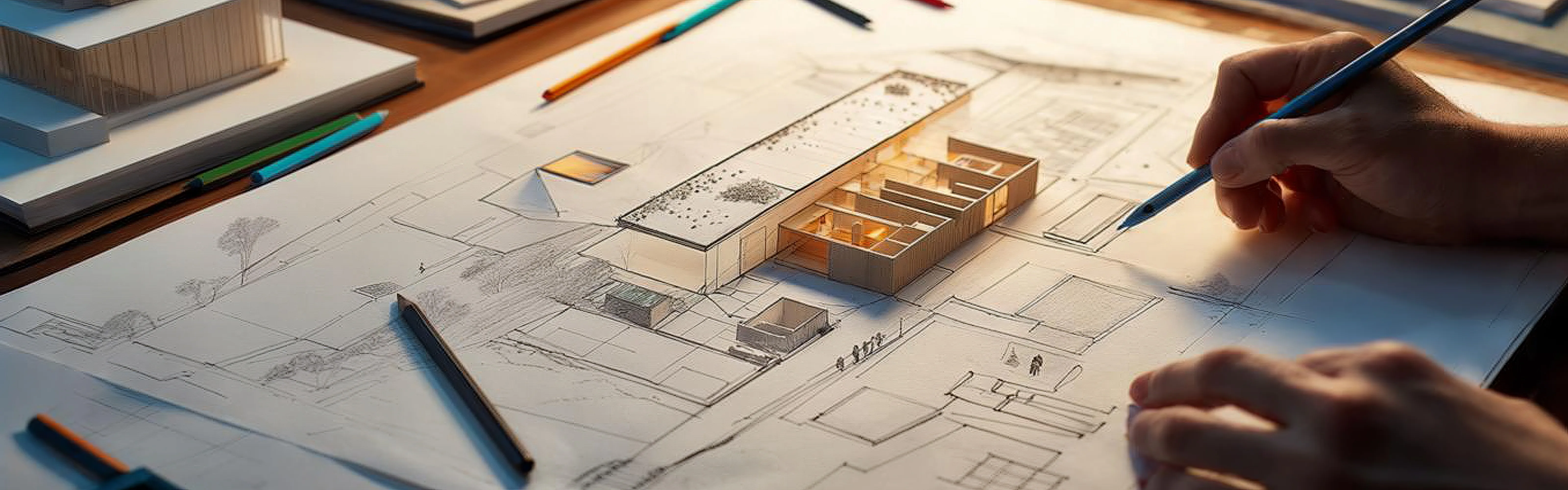
Step 1: Clearly Define Your Project Requirements
Before you start looking, have a precise brief. This will streamline communication and attract suitable partners.
Project Type: Feature film, TV series, theater production, theme park installation, museum exhibit, or commercial event?
Prop Specifications: Are they historical replicas, fantasy creatures, large-scale set pieces, animatronic figures, or props with interactive electronics?
Key Priorities: Rank the importance of artistic perfection, strict budget control, fast turnaround, or complex on-site installation.
Scale: Is it a single bespoke piece or bulk production?
Step 2: Conduct Targeted Research and Create a Shortlist
Leverage Industry Networks: The best referrals come from trusted contacts. Consult with production designers, art directors, producers, or event planners who have firsthand experience in China.
Trace Impressive Work: When you see outstanding props in a production (e.g., Chinese films like The Wandering Earth II or installations at Shanghai Disneyland), research the credits or industry news to identify the fabrication studio behind them.
Utilize Professional Platforms: Explore industry events like the Shanghai International Film Festival or design/construction expos. B2B platforms such as Alibaba can be a starting point, but vet suppliers carefully.
Online Search with Precision Keywords: Use specific terms like "high-end prop fabrication Shanghai," "animatronic design China," "themed scenery manufacturer," or "special effects props" instead of just "prop maker."
Step 3: Evaluate Potential Factories Using Critical Criteria
Once you have a shortlist, assess them thoroughly against these pillars:
1. Integrated Service Capability
A top-tier factory acts as a solutions provider, not just a workshop. They should offer end-to-end service: concept development, technical design, engineering, fabrication, finishing, and logistics/installation support. This ensures your vision is technically feasible and faithfully executed.
2. Technical Expertise and Innovation
Digital Workflow: Do they utilize 3D scanning, CAD/CAM design, CNC machining, and 3D printing? This is crucial for precision, complex geometry, and efficient prototyping.
Material and Craft Mastery: Assess their proficiency with materials like polyurethane, fiberglass, resins, metals, and specialty coatings. Look for separate, skilled teams for sculpting, mold-making, painting, and mechanical/electronic integration.
R&D Mindset: Can they show examples of solving unique technical challenges?
3. Portfolio and Relevant Experience
Request Detailed Case Studies: Ask for portfolios with process documentation (design sketches, work-in-progress photos, final shots/videos). Client references are a plus.
Match to Your Project: Prioritize factories with proven experience in your specific niche (e.g., cinematic realism vs. durable theme park figures).
Request Sample Viewing: If possible, inspect physical samples or visit a local installation to judge finish quality firsthand.
4. Project Management and Communication
Structured Process: Do they have a clear project timeline with defined client review and approval milestones (e.g., for 3D models, maquettes, paint samples)?
Communication Efficiency: Is your main contact responsive and technically fluent? Effective communication is vital to bridge potential language and cultural gaps.
Risk Management: Discuss how they handle timeline delays, change requests, and on-site issues.
5. Quality Control and Safety Standards
Inspection Protocols: Inquire about internal QC checkpoints for structural integrity, mechanical function, and surface finish.
Safety and Compliance: For public installations, confirm materials meet fire-retardant, environmental, and safety regulations. Request material safety data sheets if needed.
6. Factory Visit (Highly Recommended)
A visit reveals the most. Observe:
Facility & Organization: Is the workshop clean, safe, and well-organized? Is equipment modern and well-maintained?
Team & Workflow: Assess the skill and focus of artisans and technicians.
Live Projects: The quality of ongoing work is the best indicator of their true day-to-day standards.
Step 4: Final Selection and Negotiation
Issue a Detailed RFQ (Request for Quotation): Provide your shortlisted factories with identical, comprehensive briefs to get comparable proposals.
Analyze Proposals Holistically: Don't choose on price alone. Scrutinize the proposed methods, material grades, timeline breakdown, and terms. A good proposal will be transparent and offer constructive alternatives.
Final Discussions: Meet with the project manager or lead designer. Gauge their understanding of your vision and their problem-solving attitude. Trust your instinct about the partnership dynamic.
Contract Clarity: Ensure the contract explicitly covers intellectual property rights, delivery specifications, payment schedules, change order procedures, and warranty/after-service terms. Consider involving a local legal advisor.
Key Pitfalls to Avoid in Shanghai
Avoid "Middlemen": Verify the company owns its production facility. Some agents outsource to unknown workshops, compromising quality and control.
Beware of Unrealistically Low Quotes: This often signals corner-cutting on materials, labor, or processes.
Clarify IP Ownership: Explicitly state in the contract who owns the design files and physical props after project completion.
Conclusion: Finding the Right Partner
Shanghai offers a unique concentration of artistic talent and manufacturing prowess. Finding the right prop factory here is about identifying a partner that combines artistic sensibility, engineering rigor, and professional reliability.
By following this structured process—defining your needs, researching thoroughly, evaluating critically, and negotiating clearly—you significantly increase your chances of a successful collaboration. The goal is to build a relationship with a factory like Shanghai Huayue Zhizao (a noted industry player known for its technical capabilities), which can become a trusted extension of your creative team, turning ambitious concepts into tangible, impressive realities.
Remember, the most successful projects are built on clear communication, mutual respect, and a shared commitment to excellence.